RESOURCES FOR EVERY GENERATION
One story. One movement of grace.
Resources designed to grow with us through every season of life.
CHILDREN → YOUTH → ADULTS → DEVOTIONS
Grace discovered → Grace explored → Grace practiced → Grace hoped for

CHILDREN
Grace Garden K–6
Grace discovered through story, wonder, movement, and practice.

ADULTS
GRACE
Grace practiced through holy love, community, and service.
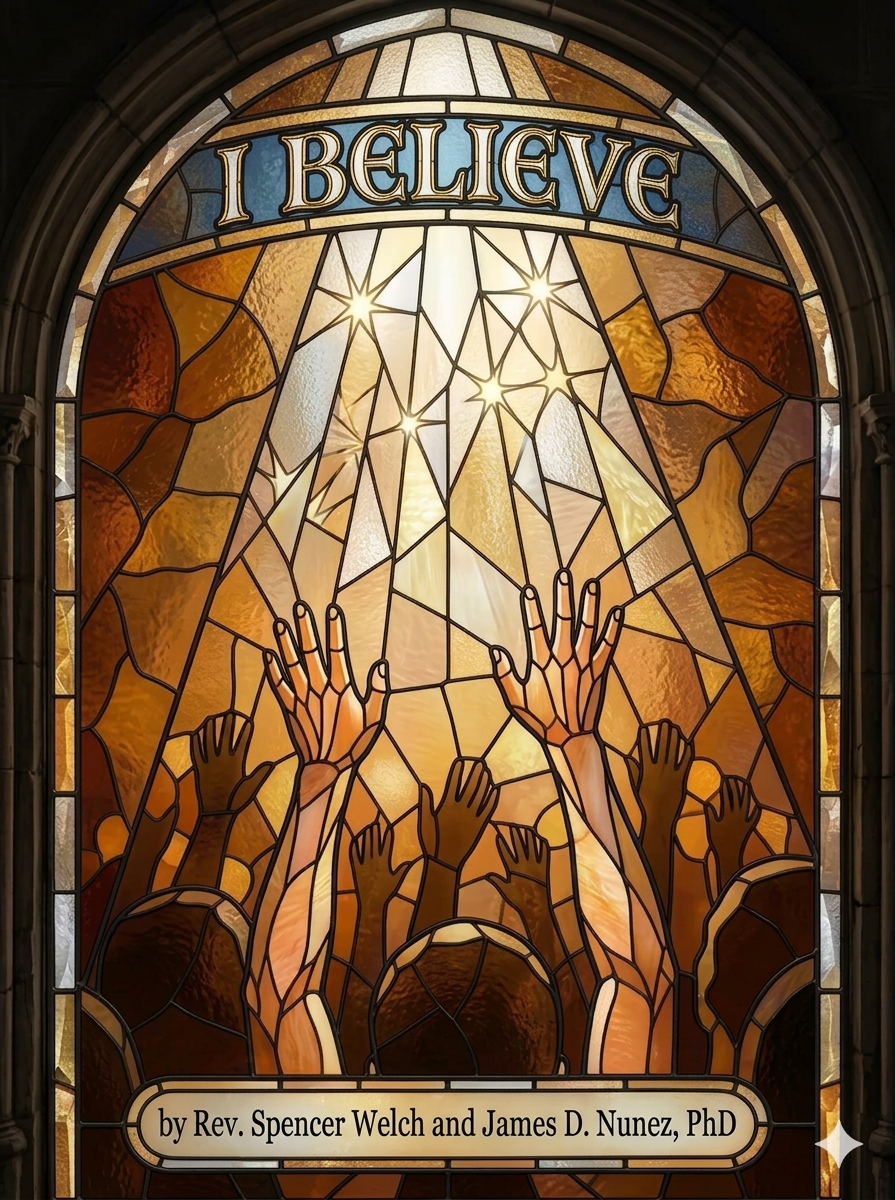
YOUTH
I Believe
Grace explored through questions, conversation, and growing faith.

DEVOTIONS
Advent & Lent
Grace hoped for through waiting, wilderness, and resurrection.
FOR CHURCHES & GROUPS
Grace is meant to be practiced together.
Planning to use One Story of Grace with a church, class, small group, or ministry? We offer group pricing for multiple-copy orders and can help you find the combination of resources that fits your setting.
Tell us what you're planning. We'll help you build it.

THE WESLEYAN LIBRARY
The conversation behind the curriculum.
One Story of Grace stands within a much older theological conversation. The resources gathered here represent authors, theologians, biblical scholars, and traditions that have informed the theology and teaching found throughout our materials.
They are offered not as a required reading list, but as an invitation to explore the conversation for yourself.
Follow the footnotes. Continue the conversation.
Why does grace come first?
Before we ever reach toward God, grace is already reaching toward us.
Explore the Wesleyan understanding of prevenient grace—God's initiating love that awakens, invites, and makes our response possible.

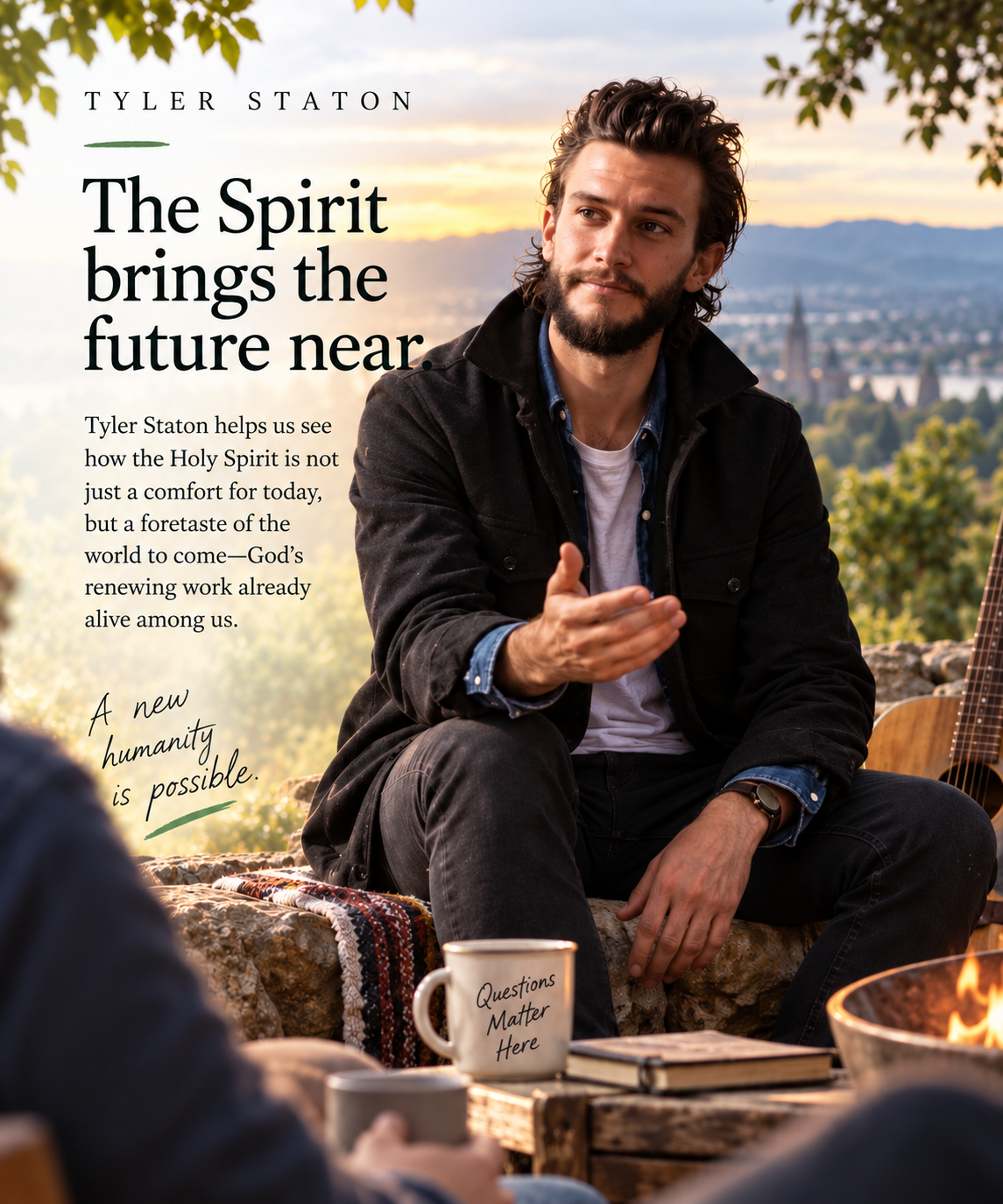
JOHN WESLEY
Grace before response
Wesley understood salvation as beginning with God's initiative. Prevenient grace awakens and enables us to respond freely to the love already reaching toward us.
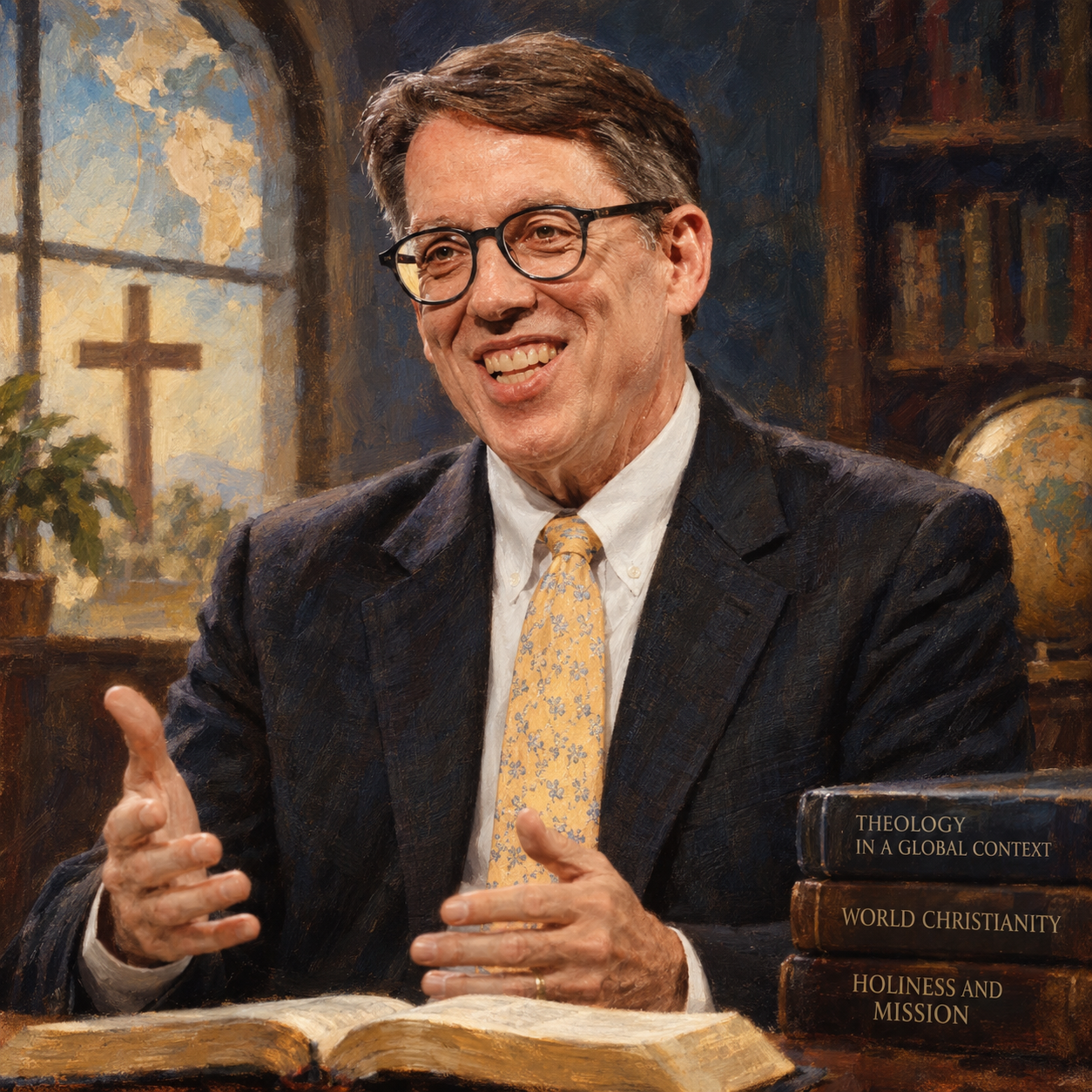
TIMOTHY C. TENNENT
Holiness as new-creation life
Tennent connects sanctification with the Spirit’s work of bringing the life of God’s coming Kingdom into the present. Holy love forms a people whose lives become a living preview of New Creation.

RANDY L. MADDOX
Grace that invites response
Maddox describes Wesleyan salvation as “responsible grace”—God acts first, awakening and enabling a genuinely human response. Grace does not coerce; it makes faithful participation possible.
Why does holiness become social?
Holy love cannot remain private.
Explore the Wesleyan conviction that holiness takes visible form in community—through mercy, justice, service, reconciliation, and love of neighbor.
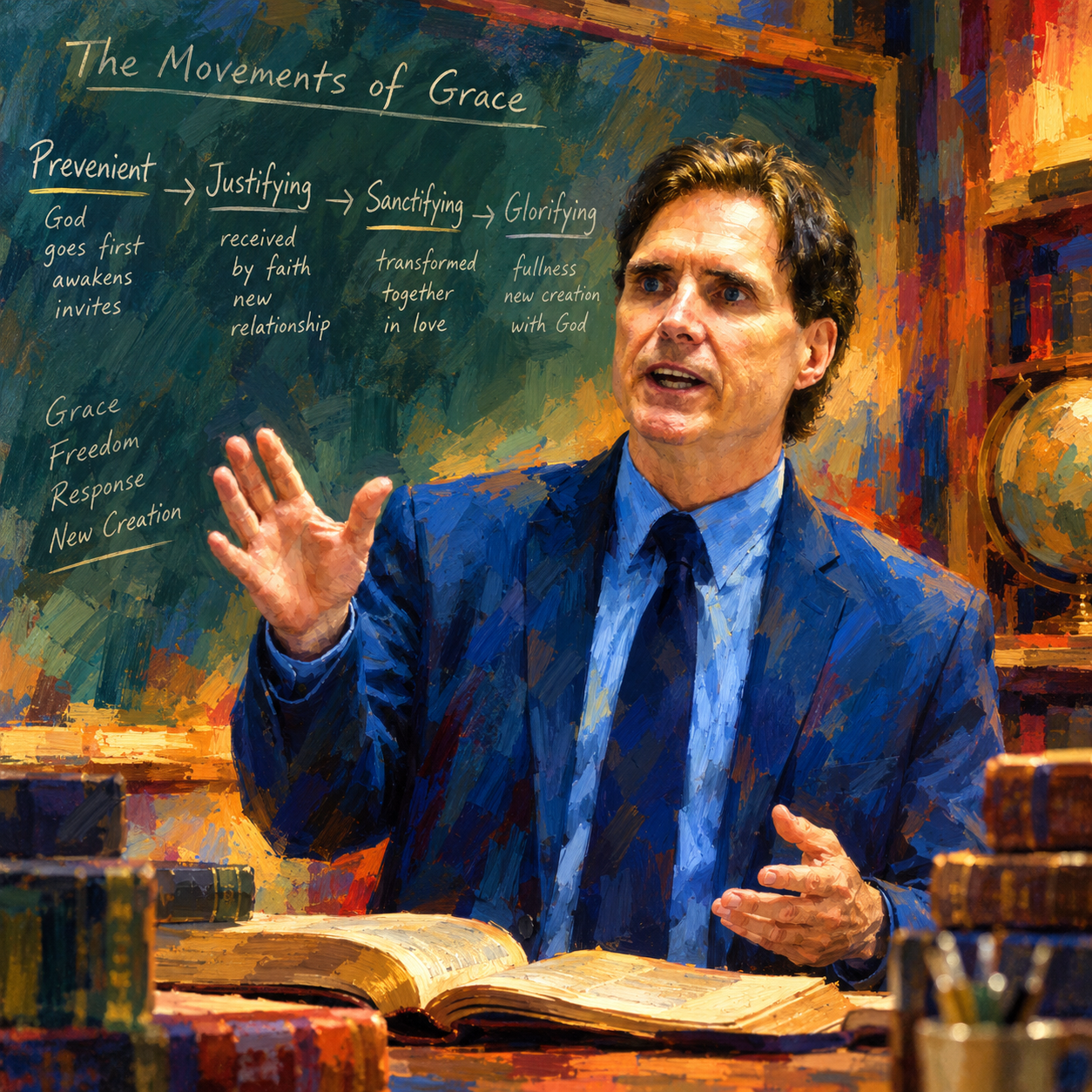
KENNETH J. COLLINS
Grace within the way of salvation
Collins helps map Wesley's understanding of salvation as a connected movement of grace—God awakening, forgiving, transforming, and ultimately bringing creation toward its promised fullness.
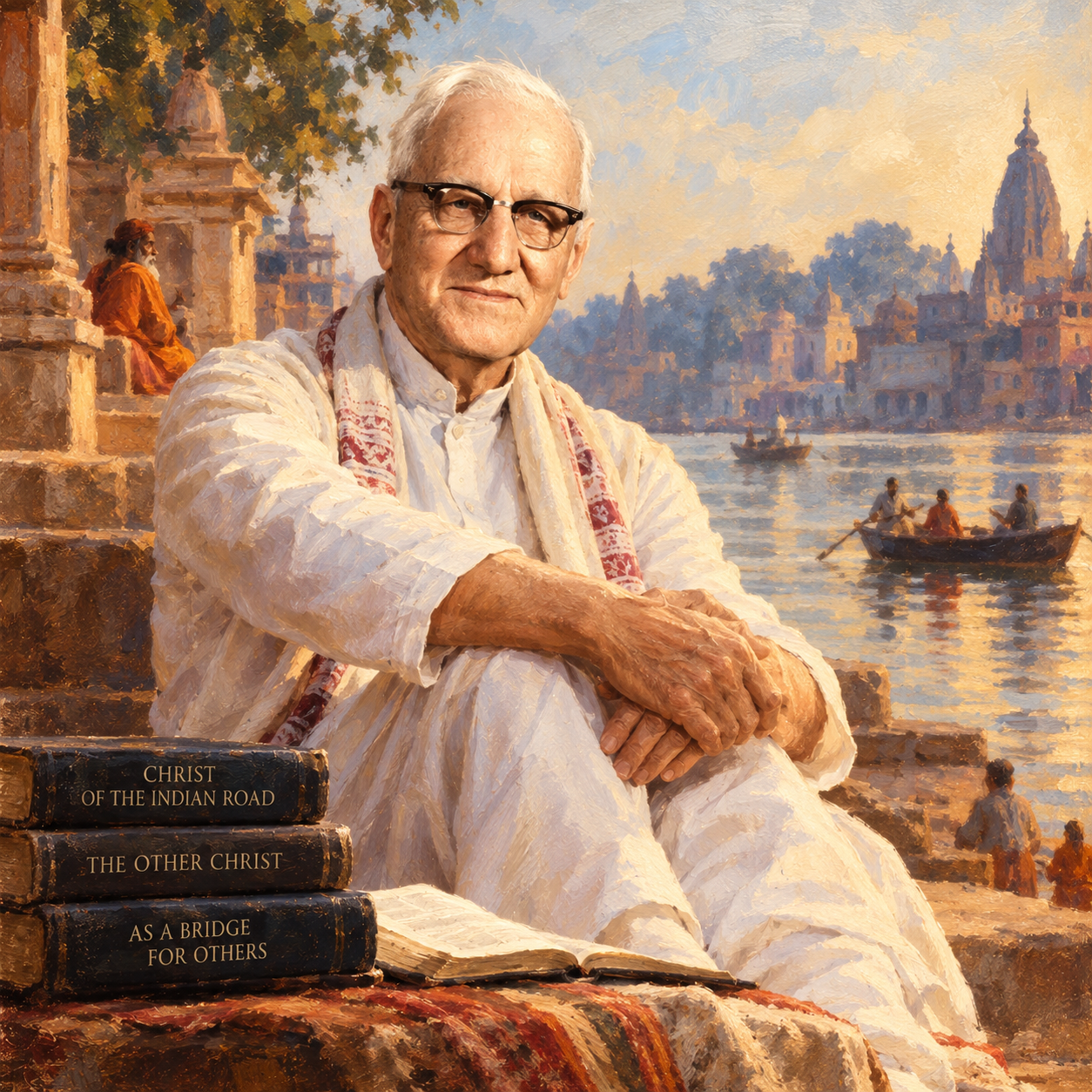
E. STANLEY JONES
Holy love as a way of life
Jones understood the Kingdom of God as a reality meant to transform the whole person. Grace becomes visible as faith is lived—in surrender to Christ, in relationship with others, and in the ordinary practices of a Kingdom-shaped life.
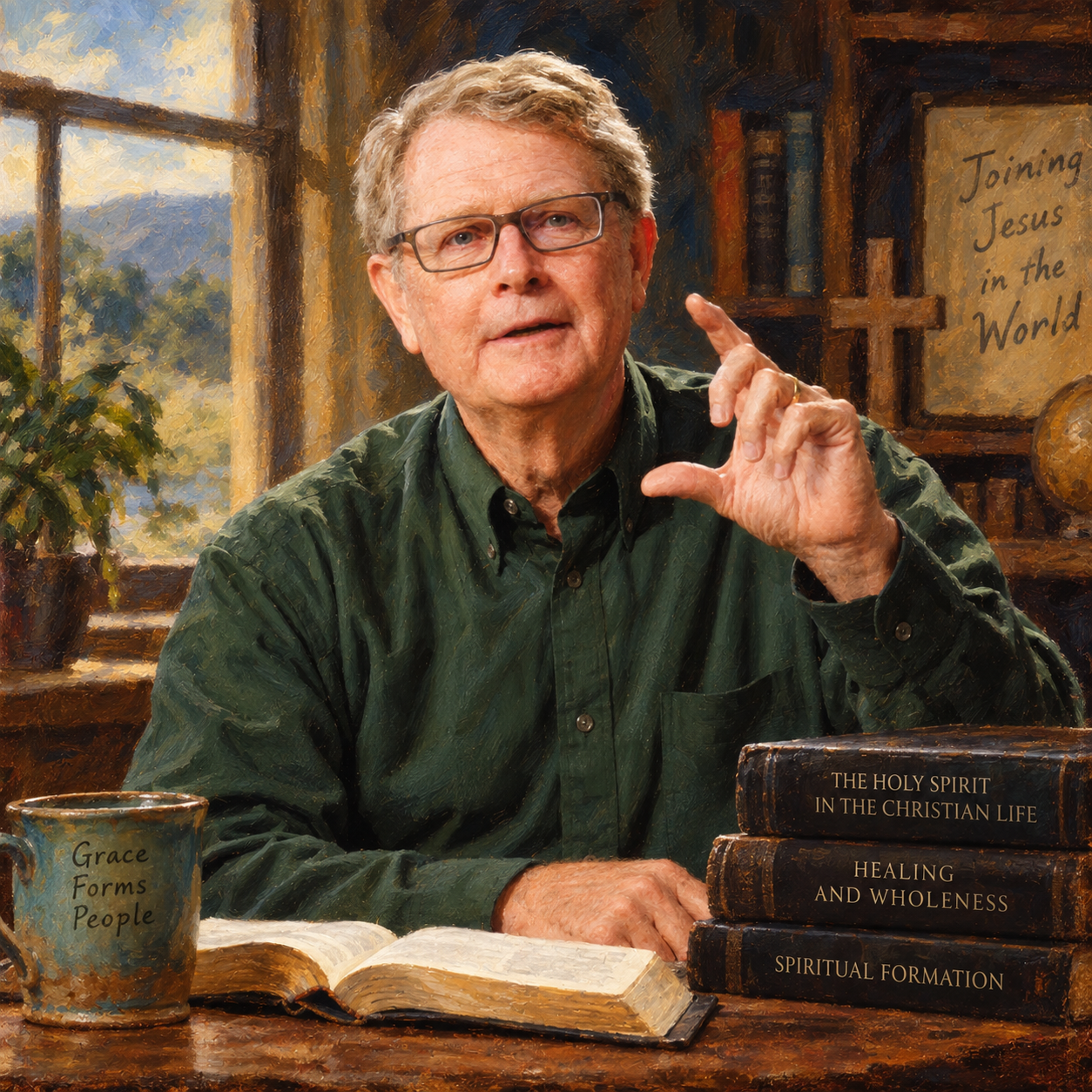
STEPHEN SEAMANDS
Holy love through the Spirit
Seamands emphasizes that sanctification is more than human effort or moral improvement. The Holy Spirit forms the life of Christ within us, transforming character and drawing us into deeper participation in God’s holy love.
What does it mean to grow in holy love?
Grace does not simply forgive us. Grace forms us.
Explore the Wesleyan understanding of sanctifying grace—God's continuing work of shaping our desires, habits, relationships, and lives toward holy love.

HOWARD A. SNYDER
Holy love becomes community
Snyder shows that holiness is never merely personal. As grace forms a people, love takes social shape—in community, mission, justice, care for creation, and participation in God’s renewing work.

ELAINE A. HEATH
Grace moves toward the neighbor
Heath reminds us that evangelism is grace, not conquest. God’s love moves outward through hospitality, relationship, listening, and faithful presence—meeting people where they are.
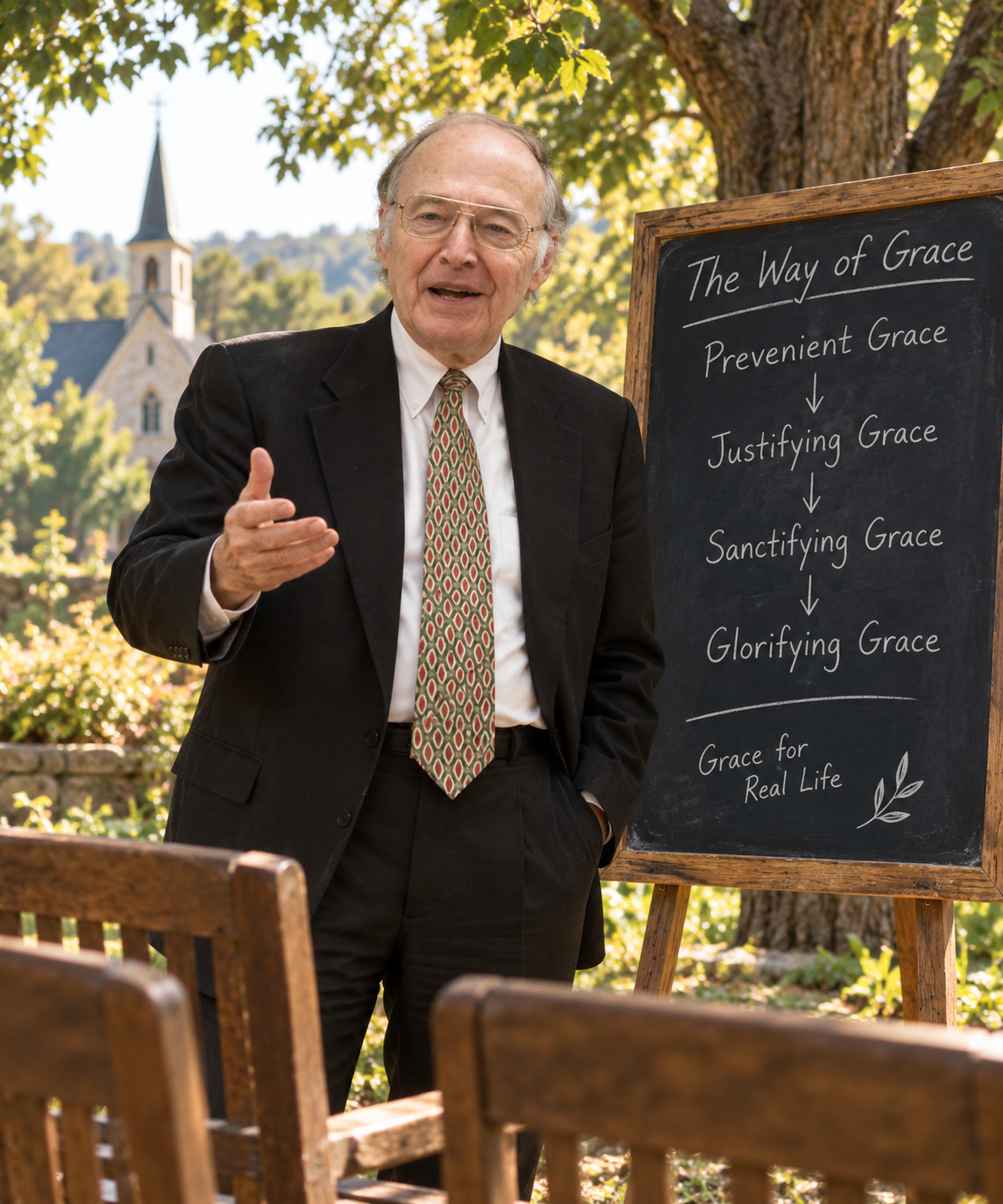
ALLAN COPPEDGE
Grace forms disciples for life
Coppedge helps us see the movements of grace as one continuing journey of discipleship. Prevenient, justifying, sanctifying, and glorifying grace form a people who learn to participate faithfully in God’s work in the world.
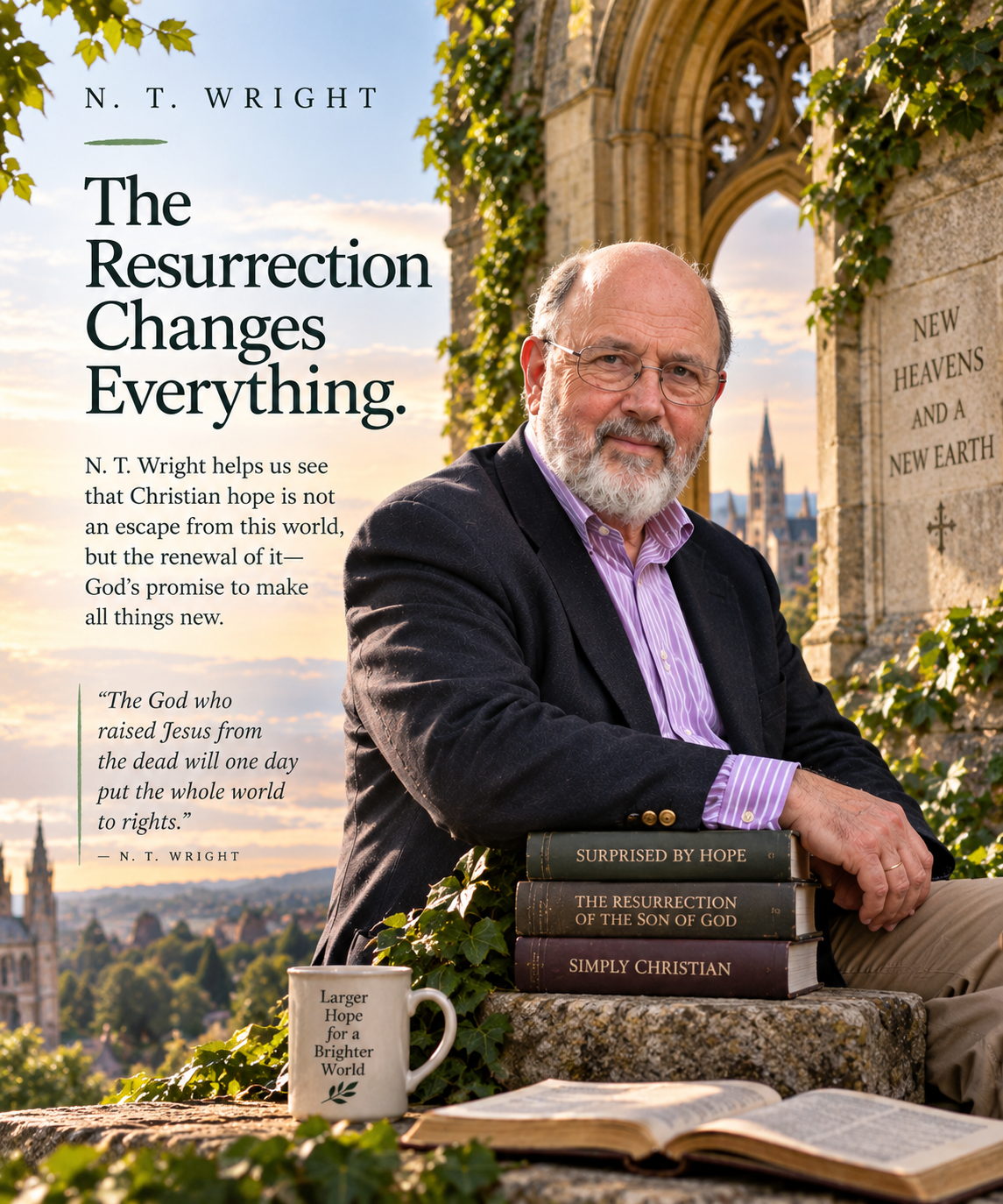
Where is grace taking creation?
Grace is making all things new.
Explore the Christian hope of resurrection and New Creation—God’s promise not to abandon the world, but to heal, restore, and bring creation toward its intended fullness.